Integration
TPO Roof Systems
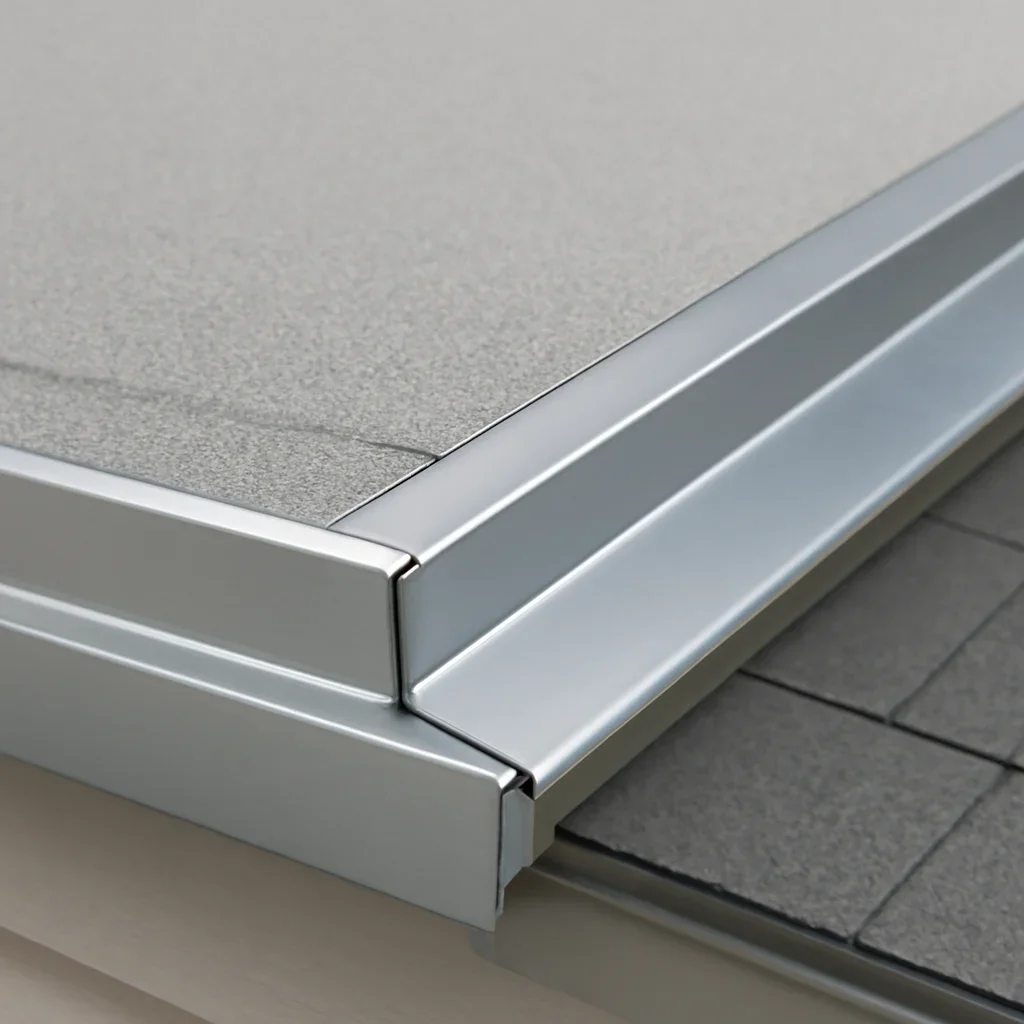
Edge metal and flashing coordination around TPO roofing assemblies. View page.
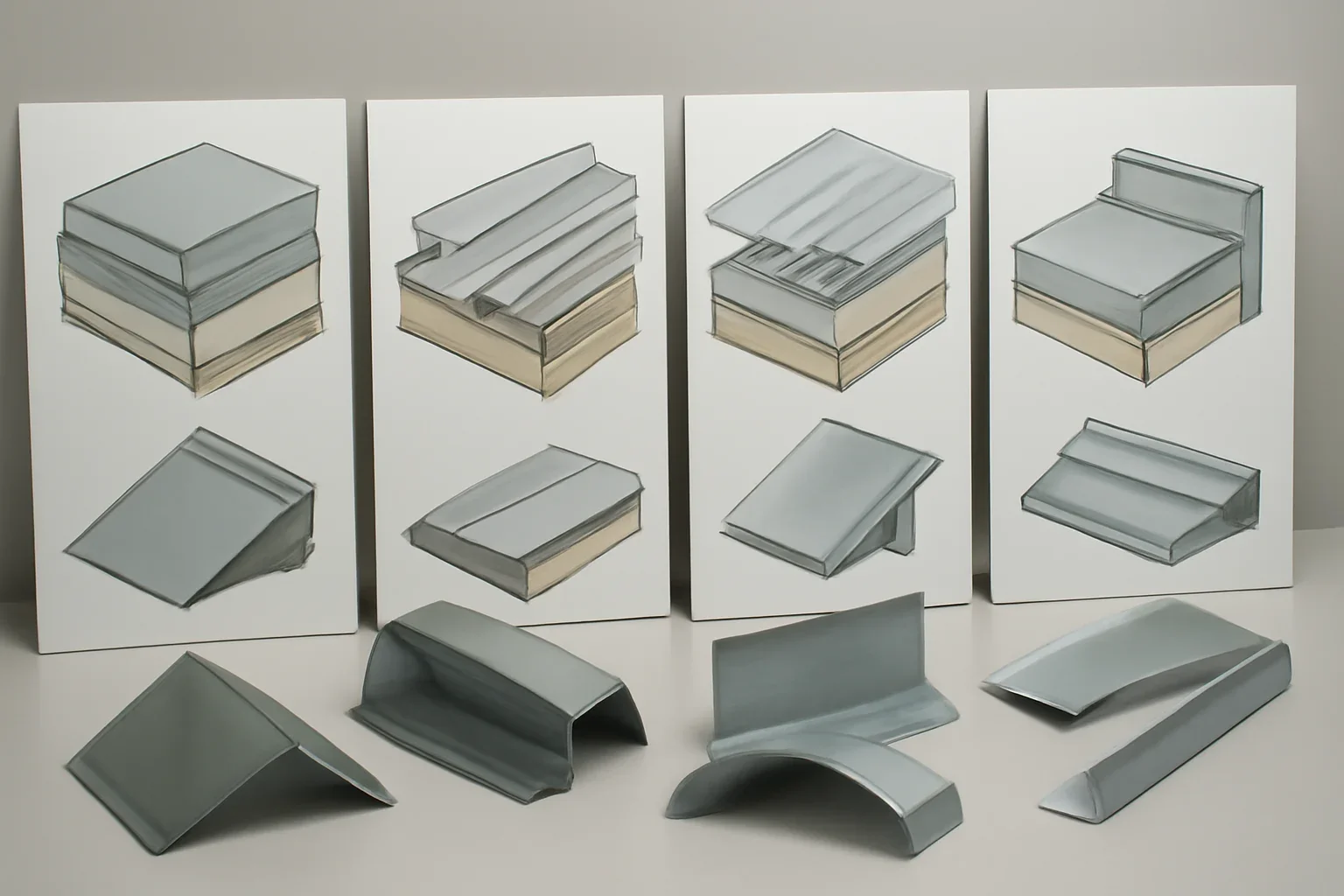
Edge metal and flashing need to make sense within the roof assembly they are supporting. Our integration pages organize the conversation around common roof systems and material choices so the order can be reviewed with better context from the beginning.
Edge metal and flashing coordination around TPO roofing assemblies. View page.
Roof edge and flashing support for PVC assemblies where finish, detail control, and compatibility matter. View page.
Metal details for modified bitumen reroof and replacement work. View page.
Roof metals that support BUR edges, walls, and drainage conditions. View page.
Fabrication support when aluminum is the right fit for weight, finish, and corrosion considerations. View page.
Galvanized steel fabrication for roof metals that need practical durability and straightforward production. View page.
Perimeter metal is part of a larger assembly. When the RFQ includes the roof system context, material direction, and applicable detail references, the shop has a much better chance of pricing and fabricating the order without avoidable confusion.
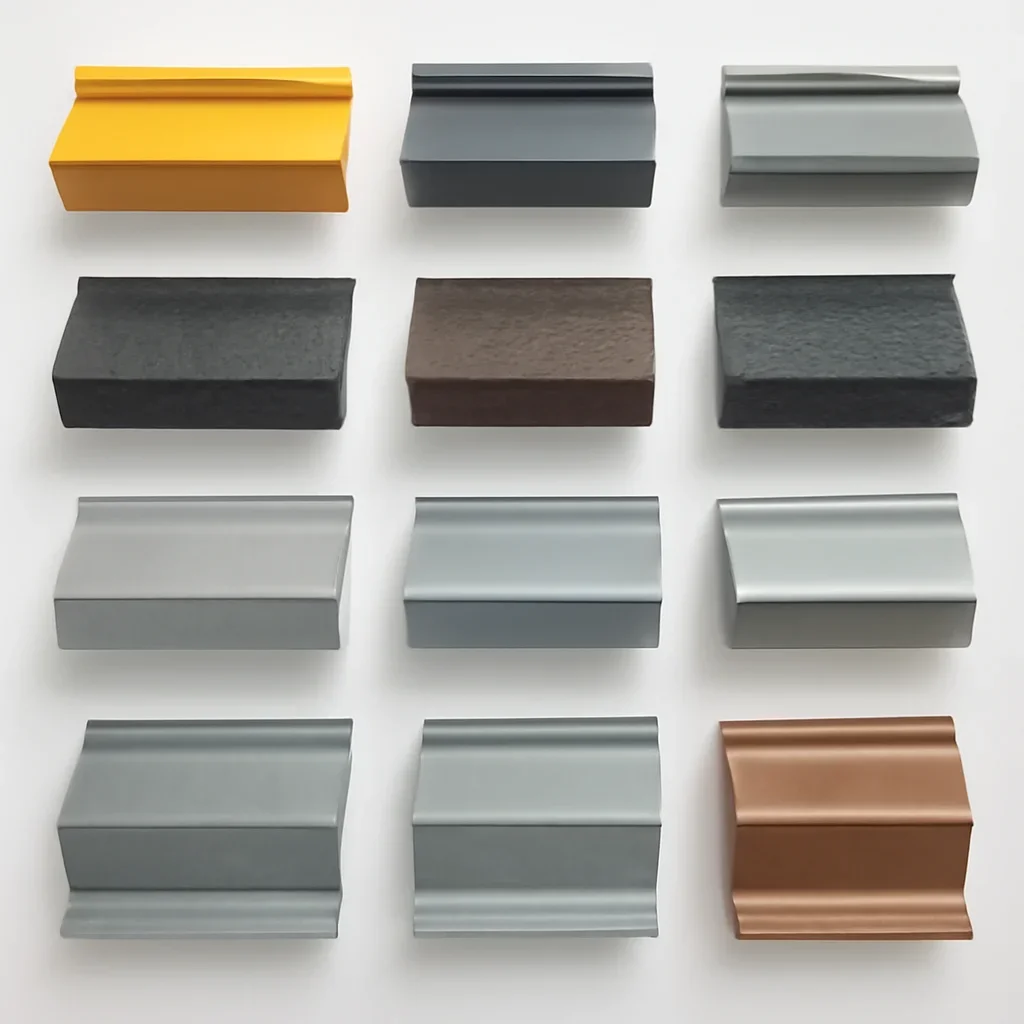
Roof system context gives the fabrication conversation a clearer starting point than profile names alone.
The goal is not to overcomplicate the order. It is to reduce mismatch between the metal being fabricated and the roof condition where it will be installed. That makes ordering easier for contractors and keeps the production conversation grounded in the real assembly.